What is the Jungle biome in Minecraft?
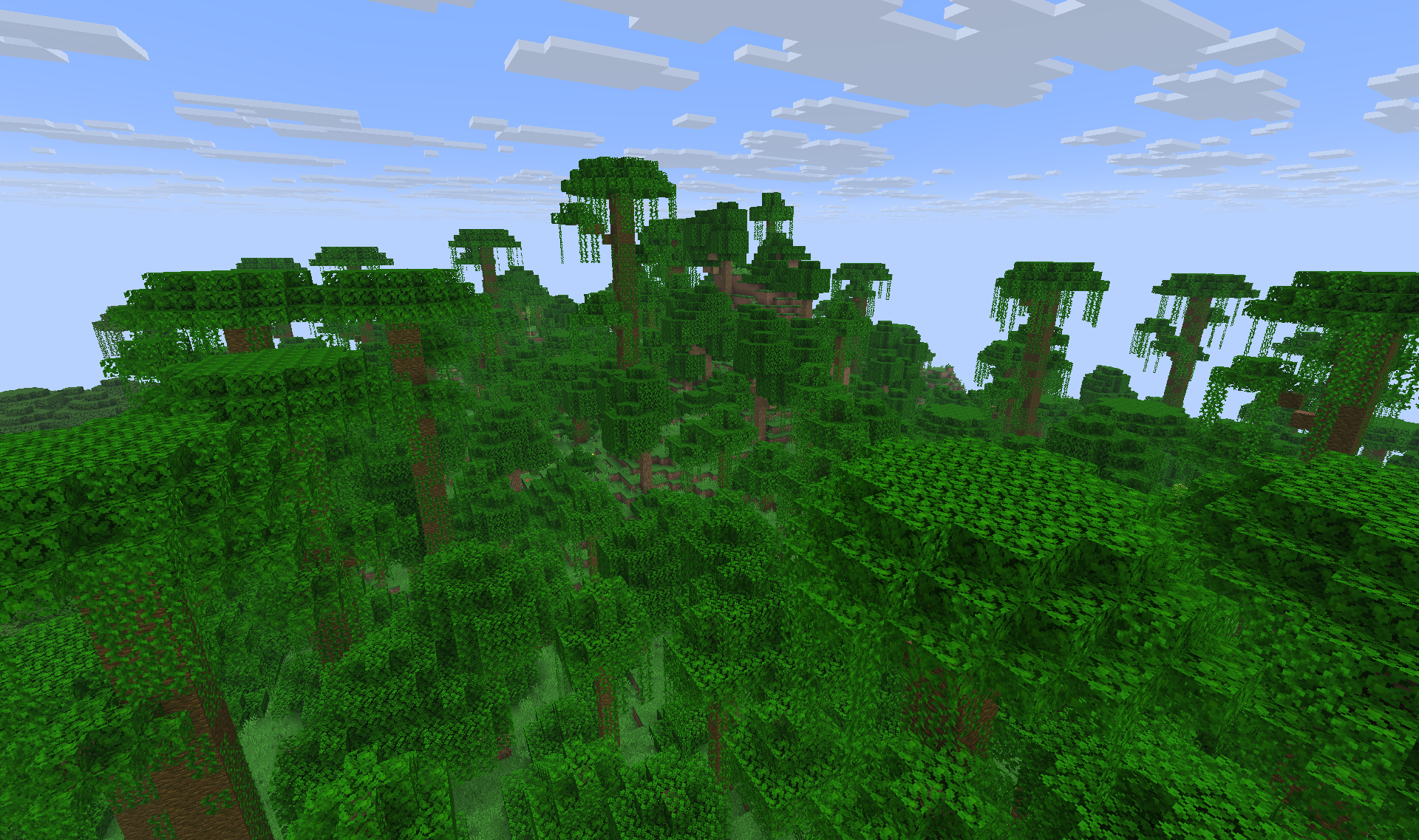
The Jungle is a warm, humid biome filled with dense vegetation, towering trees, and lush foliage. It features massive oak trees and tall jungle trees that can reach over 30 blocks in height. The biome is characterized by extremely thick vegetation that creates a dark forest floor, vines covering trees, and many unique plants like melons, cocoa, and sugar cane. Jungles are one of the most vibrant and resource-rich biomes in Minecraft.
What mobs spawn exclusively in jungles?
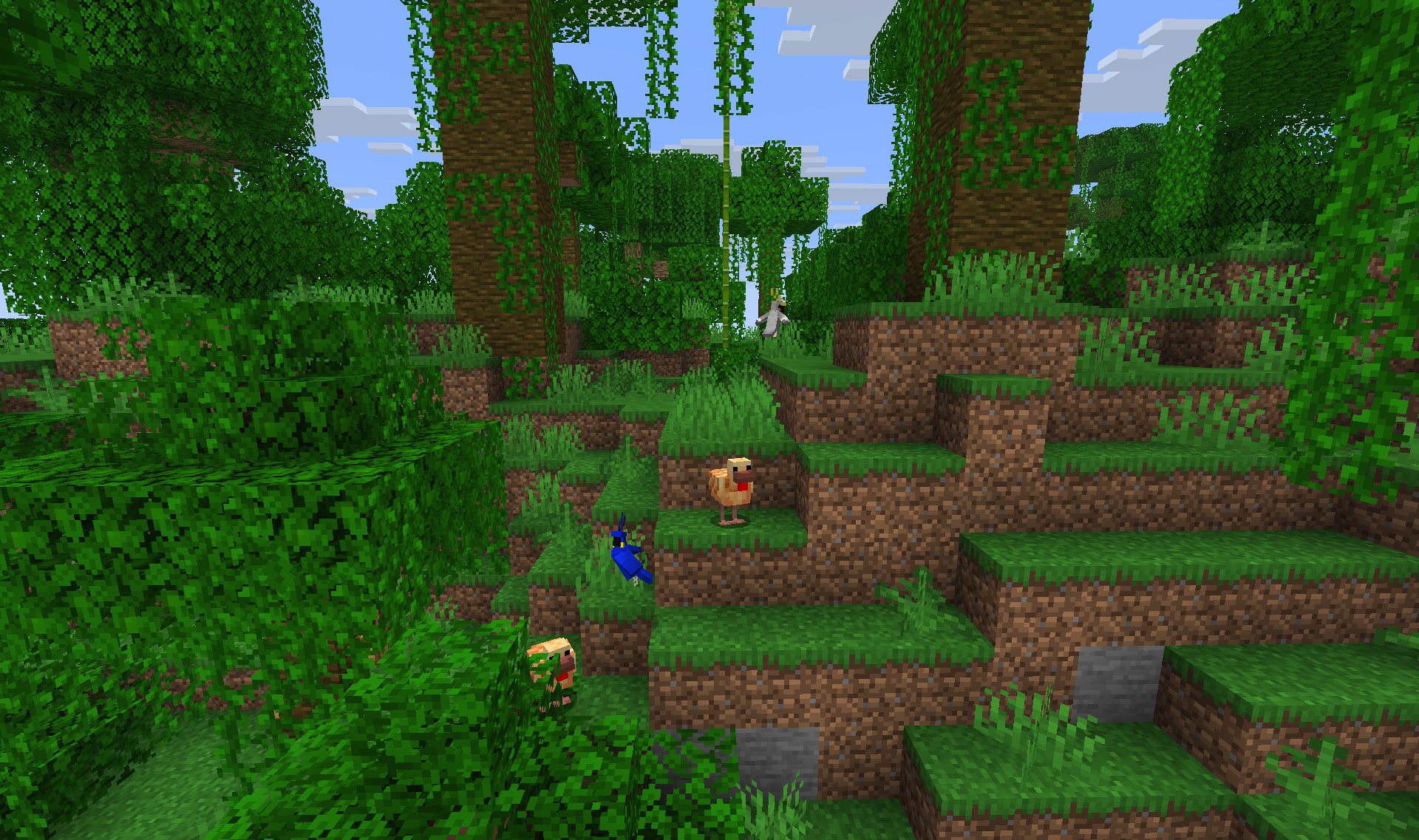
Parrots, ocelots, and pandas spawn exclusively in jungle biomes and cannot be found naturally in any other biome. Parrots are colorful birds that can be tamed with seeds. Ocelots are wild cats that can be tamed with raw fish and serve as great companions. Pandas are peaceful creatures that eat bamboo and can be tamed with bamboo stalks. These unique mobs make jungles incredibly special for wildlife encounters.
Where can I find jungle temples?
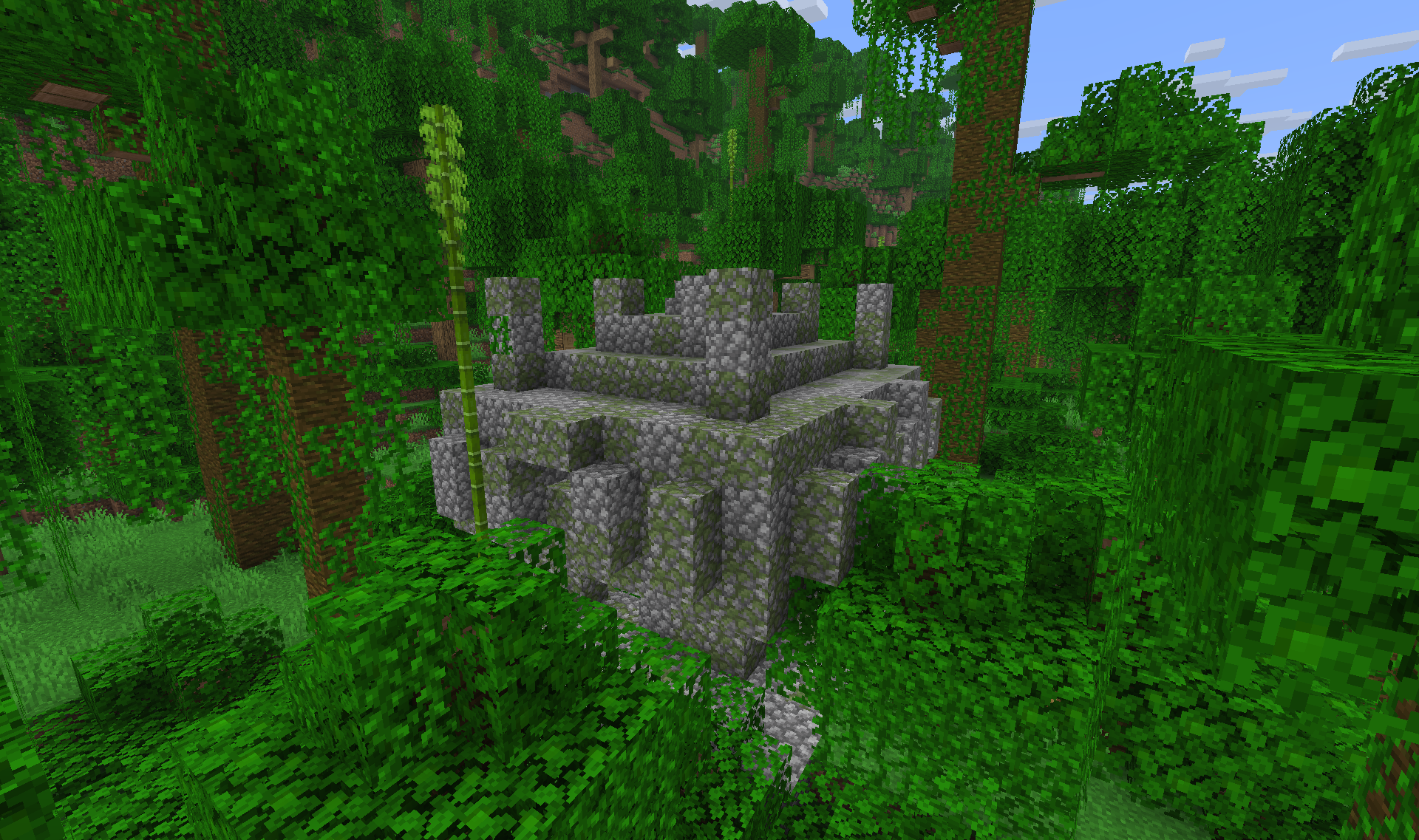
Jungle pyramids (temples) can generate in regular jungles and are hidden beneath the dense jungle foliage, making them very hard to spot. These ancient temples are partially constructed from mossy cobblestone and covered in vines, providing excellent loot including diamonds, emeralds, enchanted books, and iron ingots. The temples are protected by tripwire traps and are great adventures for players seeking treasure.
What resources are unique to jungles?
Melons generate in patches exclusively in jungles and are far more common than pumpkin patches in other biomes. Cocoa pods naturally grow on jungle tree logs and can be harvested for cocoa beans used in chocolate production. Jungle trees provide jungle logs and jungle leaves. Vines cover many jungle trees and can be harvested for decoration and climbing. Sugar cane also generates frequently in jungles near water sources.
Are jungles hard to navigate?
Yes, jungles present significant navigation challenges due to their extreme density. The thick canopy blocks most sunlight, making it very dark on the ground level. Vines and leaves can obscure visibility and slow movement. Getting lost is easy due to limited sightlines. However, the abundance of resources and unique mobs makes jungles worth exploring despite these challenges.
What terrain blocks are in jungles?
Jungles feature grass blocks, dirt, jungle logs, jungle leaves, oak logs, oak leaves, vines, cocoa, melons, sugar cane, bamboo, and stone underground. The forest floor is covered in grass and often obscured by jungle bushes. Large trees dominate the terrain, and water sources are common throughout the biome.
What caves generate in jungles?
Lush caves are common in jungle biomes due to their high humidity, particularly in bamboo jungles. Dripstone caves can also generate below jungles, especially when the jungle is far inland. Cave exploration in jungles can be very rewarding, providing access to unique lush cave mobs and standard cave resources like ores and minerals.
How do I find a jungle biome?
Jungles generate in warm and humid areas and often border forests, plains, deserts, birch forests, dark forests, and wooded badlands. Regular jungles are separated from sparse jungles and bamboo jungles by rivers. Look for extremely dense, tall trees with thick leaf coverage and vines. The distinctive tall jungle tree silhouette is a telltale sign of jungle biomes nearby.
What's the climate like in jungles?
Jungles have a warm and very humid climate with frequent rainfall. The temperature is high (0.95) and downfall is intense (0.9), causing rain to fall very often. The warm, wet environment creates lush vegetation and dense foliage. The moisture supports the growth of massive trees and unique plants like cocoa and melons.
Can I build a base in a jungle?
Yes, jungles offer unique building opportunities! The dense vegetation provides natural camouflage for bases. Treehouse builds are very popular in jungles, utilizing the massive trees for structure. However, the darkness of the forest floor requires significant lighting to prevent mob spawning. The abundance of wood and natural materials makes jungle bases both challenging and rewarding to construct.