What is the Lukewarm Ocean biome in Minecraft?
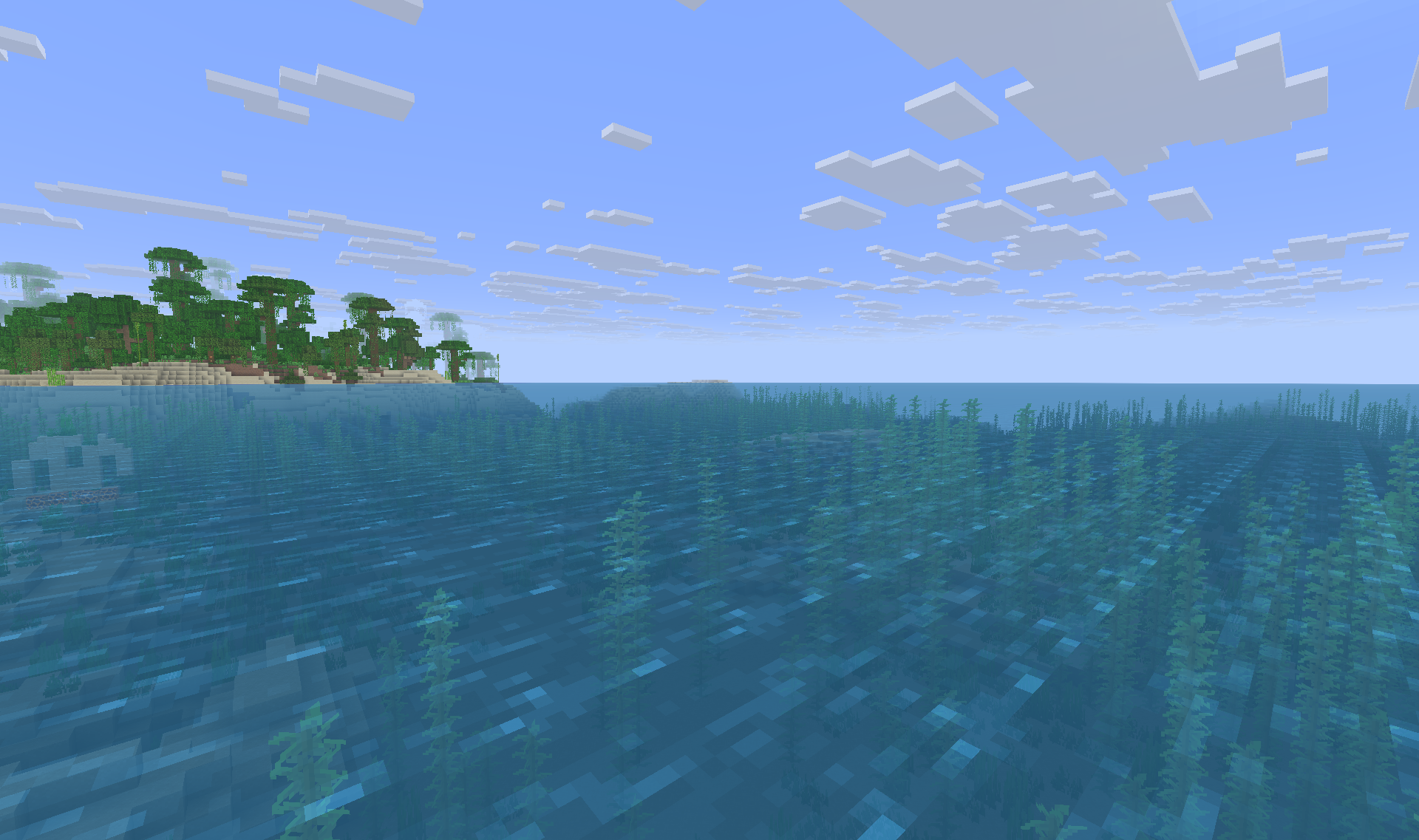
The Lukewarm Ocean is a warm ocean variant featuring light blue water and sandy floors. It generates adjacent to warm biomes like jungles and savannas. Unlike colder oceans with gravel floors, lukewarm oceans have sand, dirt, clay, and gravel. The warm water temperature supports tropical fish, coral reefs, seagrass, and kelp, creating a vibrant underwater ecosystem perfect for exploration and building.
What makes Lukewarm Ocean different from other oceans?
Lukewarm Ocean has distinctive light blue water and sandy floors instead of gravel. It generates more tropical fish than cold oceans and has abundant seagrass. Ocean ruins here use sandy materials like sandstone rather than stone. The warmer temperature creates a tropical atmosphere with more diverse marine life and vibrant underwater vegetation compared to colder ocean variants.
What mobs spawn in Lukewarm Ocean?
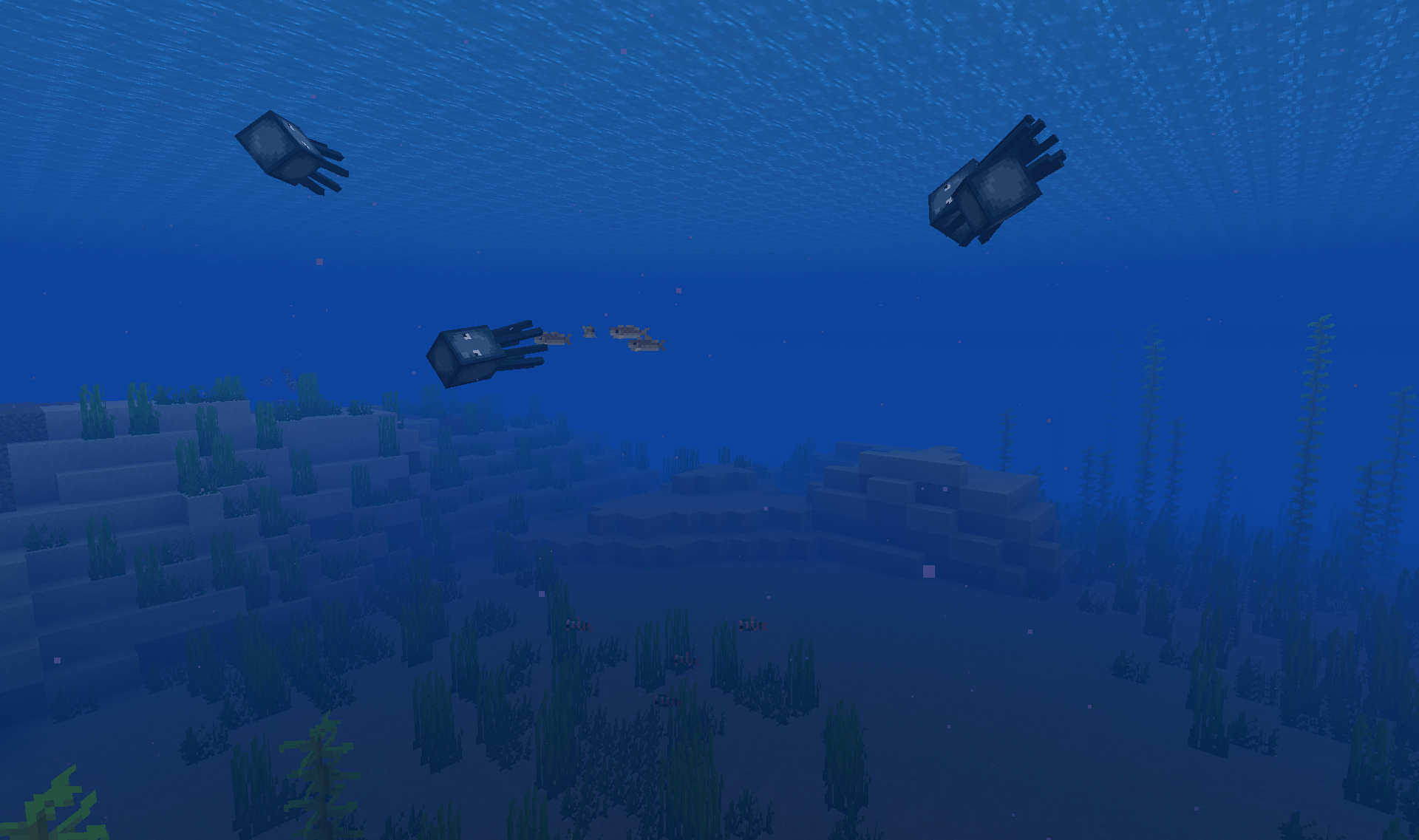
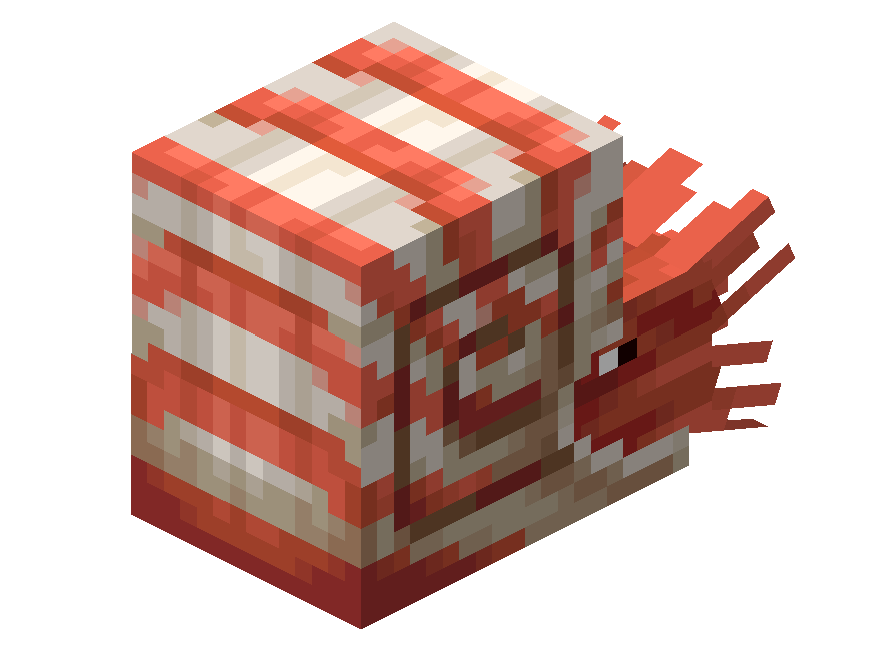
Lukewarm Ocean spawns tropical fish (the most abundant), cod, pufferfish, squid, dolphins, and nautilus. Drowned spawn as hostile mobs, and glow squid appear in underground water. Standard hostile mobs like zombies, skeletons, spiders, and creepers spawn on ocean floor at night. The variety of tropical fish makes this biome ideal for aquarium creation and marine observation.
Can I find coral reefs in Lukewarm Ocean?
While coral reefs primarily generate in warm ocean biomes, lukewarm oceans have warmer water that supports marine life and seagrass beds. The sandy floor and tropical fish create a similar tropical aesthetic. For extensive coral reefs, look for warm ocean variants, but lukewarm oceans still provide beautiful underwater scenery with abundant marine biodiversity.
What structures generate in Lukewarm Ocean?
Lukewarm Ocean generates ocean ruins made of sandstone and sandy materials, giving them a tropical appearance. Shipwrecks spawn throughout the biome providing treasure and loot. Ocean monuments can generate in deeper regions. Trial chambers and mineshafts may appear underground beneath the ocean floor. These structures provide exploration objectives and valuable resources.
Is Lukewarm Ocean good for building underwater bases?
Yes! Lukewarm Ocean is excellent for underwater bases. The light blue water creates beautiful aesthetics for glass structures. The sandy floor is easy to excavate and build on. Abundant kelp and seagrass provide natural decoration. The tropical atmosphere makes it ideal for vacation homes, aquatic research facilities, or marine sanctuaries. Dolphins add life to the surroundings.
What resources can I find in Lukewarm Ocean?
Lukewarm Ocean provides sand (abundant on the floor), clay patches, dirt, gravel, kelp, seagrass, and tropical fish. Shipwrecks contain treasure chests with valuable loot. Ocean ruins have hidden chests. The sandy floor is excellent for glass production. Kelp provides renewable food and fuel. Marine creatures drop fish and other useful items.
How do I navigate in Lukewarm Ocean?
Use boats for surface travel across the ocean. Bring water breathing potions or enchanted helmets with Respiration for underwater exploration. Create landmarks like floating structures or underwater beacons for navigation. The light blue water provides good visibility compared to darker ocean variants. Maps and coordinates help track your position in the vast waters.
What is the climate like in Lukewarm Ocean?
Lukewarm Ocean has a moderate climate with temperature of 0.5 and moderate rainfall (downfall of 0.5). The water is warm enough to support tropical fish but not as hot as warm ocean variants. Rain falls regularly, maintaining the ocean environment. The climate is comfortable for exploration and doesn't have extreme weather conditions affecting gameplay.
Are dolphins common in Lukewarm Ocean?
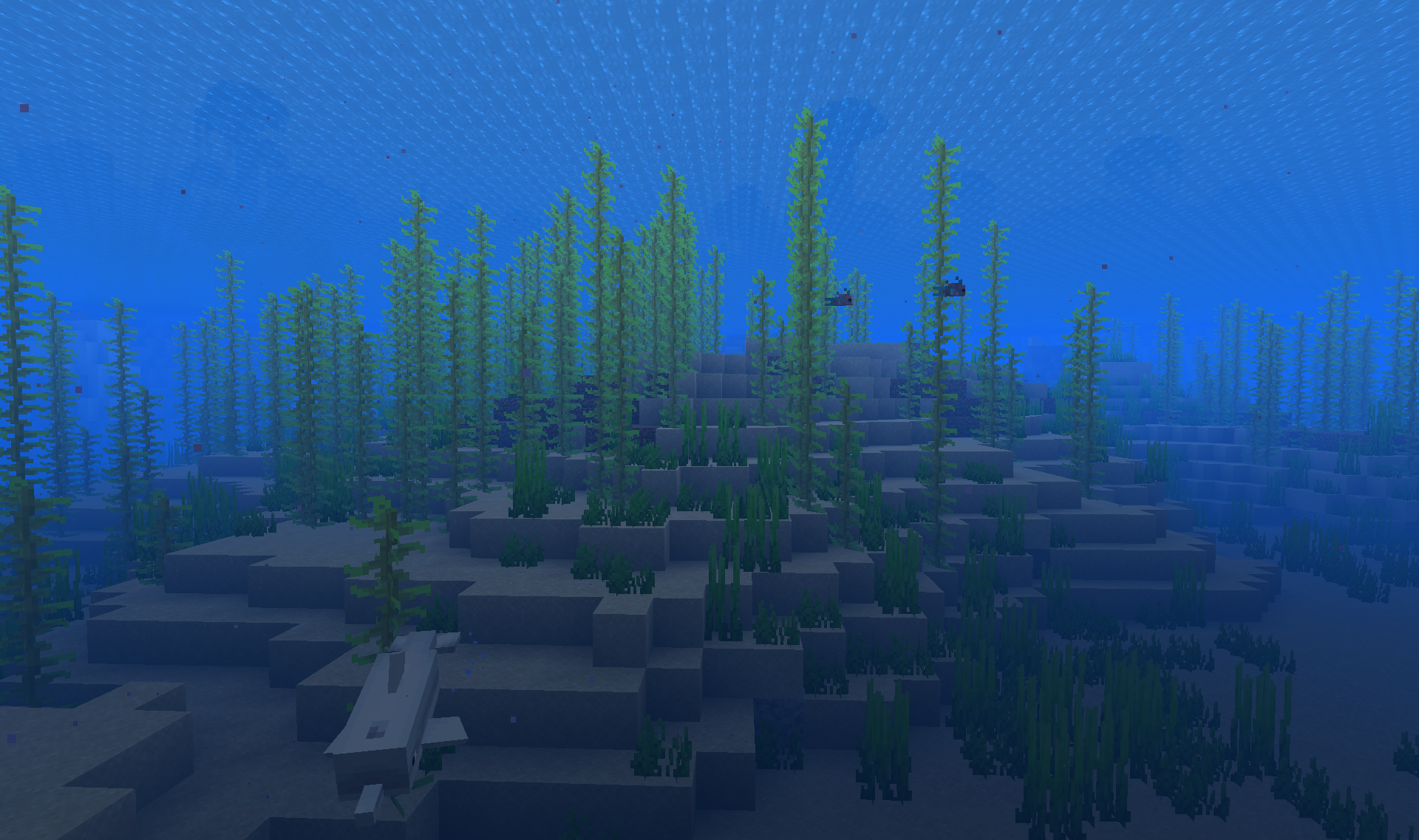
Yes! Dolphins spawn naturally in Lukewarm Ocean and are relatively common. They swim in pods throughout the waters and can provide Dolphin's Grace effect when players swim near them, increasing swimming speed. Dolphins are friendly creatures that can lead players to underwater structures and shipwrecks. They add life and movement to the ocean environment.